Quick answer
To plan a local move in Ottawa, prepare the same inventory and access details for every quote: both addresses, stairs or elevators, parking, larger items, packing needs and the date. Compare the written service scope—not just the hourly rate—then pack low-use belongings first and keep documents, medication, keys and first-night essentials with you.
- Compare written quotes against one consistent inventory and service list.
- Check parking, elevator bookings, stairs and truck access at both homes.
- Pack seasonal and rarely used belongings before everyday essentials.
- Keep medication, keys, identification and valuables with you on move day.
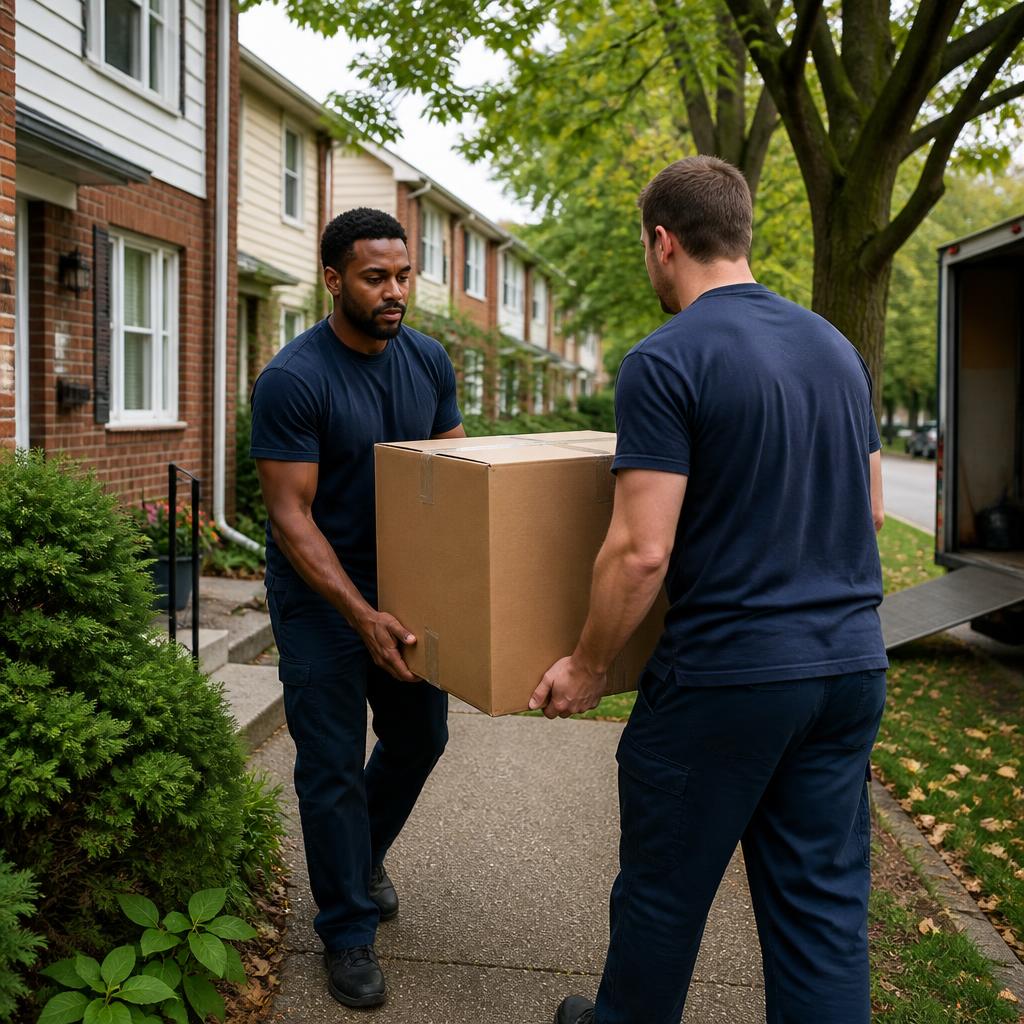
All generated images are illustrative and do not show Prestige Moving’s actual crew, vehicles or equipment.
How should you compare local movers in Ottawa?
Start with the move itself rather than a rough label such as “two-bedroom.” List the furniture, approximate carton count, appliances, fragile or unusually shaped pieces, and anything that needs disassembly. Tell each mover the origin and destination neighbourhood, the date, and whether either home has stairs, a long walk from the truck, a loading dock, an elevator or limited parking. The same information helps providers quote the same job.
Ask each company to explain what its estimate includes: crew and truck time, travel or minimum charges, packing labour and materials, furniture protection, disassembly, storage, taxes, and any extra stop. Request the assumptions and change process in writing. A lower hourly price is not a useful comparison if one quote omits packing or access work that another includes.
Ontario’s consumer guidance says moving companies are not licensed by the province. That makes basic checks important: confirm the business name on the estimate, ask what insurance applies to items packed by you, read the contract and cancellation terms, and find out how to report a loss or damage. The province’s guide to hiring a mover offers questions to ask before you sign.
For a household move, Prestige Moving lists residential moving services in Ottawa on its site. Its residential moving service in Ottawa is one option to include in your comparison; review its current written scope alongside other estimates. The Ottawa local movers page is another place to confirm the company’s current services and contact details.
- Use the same inventory and move details for each estimate.
- Ask what is excluded and how changes are priced.
- Check the written contract, insurance terms and claims process.
- Confirm the exact company name and contact information.
What is a useful timeline for a local Ottawa move?
Begin when the move date is reasonably certain by walking through each room and deciding what will move, be donated, recycled, stored or carried separately. Check lease, closing and possession times before choosing a crew arrival window. If you live in a condo or apartment, contact building management early about the service elevator, move hours, deposits, insurance documents and loading area.
After you have an inventory, request comparable written estimates and decide which tasks you want the mover to handle. Reserve elevators or loading space when required, arrange parking, and schedule utility, internet and address updates. If your move date depends on a closing, ask the mover how rescheduling, a delayed key handover or a storage gap would affect the agreement.
In the weeks before the move, pack books, seasonal items, décor, spare linens and equipment you rarely use. As the date approaches, pack guest rooms and most of the kitchen while keeping a small set of daily essentials accessible. A local move may finish in one day, but the time required depends on the actual volume, access, packing and schedule; confirm a realistic plan with the mover rather than assuming every local move follows the same timetable.
The Office of Consumer Affairs recommends getting estimates from multiple movers, agreeing on the services in writing and preparing an inventory. Its moving advice and checklist is useful when organizing the steps below.
How should you pack room by room before local movers arrive?
Set up one packing area with sturdy cartons, paper, tape, labels and a simple inventory. Mark the destination room and a short contents description on more than one side of each box. Add a handling note when it helps the crew, but do not rely on a “fragile” label instead of adequate cushioning and a discussion about special items.
In bedrooms, pack out-of-season clothes, spare bedding and décor first; leave a few changes of clothes and sheets accessible. In the kitchen, sort pantry items and set aside anything that should not travel. Wrap dishes individually, cushion the box, and keep a small working set of cups, plates and utensils for the final day.
For living and dining rooms, secure loose hardware in labelled bags, protect table corners, and photograph complex electronics before disconnecting them. Label cables at both ends and keep remotes with the device. Artwork, mirrors, televisions and unusually shaped belongings may need a purpose-made carton or added protection; ask the mover how those items should be prepared.
Bathrooms and cleaning cupboards are usually used until close to move day, so pack them later. Check the mover’s restricted-items list before boxing chemicals, fuel, aerosols, open liquids or other goods that may be excluded. Keep towels, soap, toilet paper, a basic tool kit and first-aid supplies out until the final walkthrough.

What Ottawa neighbourhood and building details affect a local move?
Ottawa addresses can involve very different loading conditions. A downtown apartment or Centretown condo may require a booked elevator, a loading dock or a specific moving window. A townhouse in Barrhaven or Kanata may have a longer path from the curb, shared driveways or stairs. In Orléans, Nepean, Gloucester, Stittsville and Manotick, check the approach and truck parking rather than assuming every home has identical access.
These are planning examples, not a claim that every mover serves every address. Use our neighbourhood pages for more local context: Kanata movers, Barrhaven movers, Orléans movers, and Nepean movers. Ask each company to confirm service for your exact pickup and delivery locations.
Before moving day, measure tight doorways, note stairs and turns, and flag fragile entryways or recently renovated floors. Ask the building manager whether the elevator needs padding, whether a certificate of insurance is required, and where the truck may wait. Share photos of unusual access points with the estimator so the quote and crew plan reflect the actual route through the property.
Ottawa weather can change the work area as well as the schedule. In winter, clear a safe path, identify where wet footwear can be managed, and ask how floors and entrances will be protected from snow, salt and slush. Keep children and pets away from the loading path, and maintain access to building entrances and emergency routes.
- Confirm elevator, loading-dock and move-hour rules with both buildings.
- Describe stairs, long carries, tight turns and parking limits during the estimate.
- Check neighbourhood pages for local context, then confirm your address with the mover.
- Plan a clear, safe path for the weather expected on move day.

Should you hire packing services or pack yourself?
Packing yourself gives you control over timing and personal belongings. It can work well for a smaller move when you have enough time and can pack consistently. The trade-off is that packing becomes a second project beside work, family and move administration. If packing runs late, the crew may have to wait or load items that are not ready.
Professional packing can be full-service or selective. Some households ask for help with kitchens, artwork, fragile collections or a home office; others prefer a whole-home pack. Ask what materials are included, whether unpacking is available, which rooms are covered, how cartons are labelled and how the service changes the estimate. Get the scope in writing instead of assuming it is part of a moving package.
Compare packing and moving quotes by separating labour, materials, specialty protection, unpacking, storage and transportation. Ask whether the crew packs closets and drawers, how open food is handled, and what happens when an item is not ready. For reliable comparison, give every provider the same room list and identify any high-value or unusually shaped belongings during the survey.
For more detail, see our Ottawa packing services guide and our moving cost guide. If the local move is part of a longer relocation, read the Ottawa-to-Toronto planning guide for pickup, delivery and route-specific questions.
What should you keep with you on local moving day?
Prepare a clearly marked tote that does not go on the truck. Include identification, keys, medication, chargers, basic toiletries, a change of clothes, water, snacks and anything children or pets need. Keep lease or closing paperwork, valuables and essential documents under your control whenever possible.
Before loading begins, take a walkthrough of closets, cupboards, balconies, storage lockers and the garage. Point out items that are not moving, items going to storage and anything requiring special handling. If the mover creates an inventory, check it before signing and ask for corrections when an item or its condition is not described accurately.
At the new home, use your room labels and floor plan to direct larger furniture before boxes accumulate in hallways. Check that the agreed rooms and major items have been unloaded. Note visible damage or missing items on the delivery paperwork and follow the company’s written claims process promptly; consumer rules and deadlines can differ, so do not assume one universal deadline.
A move is easier to manage when one person can make decisions about box placement, furniture, access changes and last-minute questions. Keep the signed estimate, inventory, receipts, photographs and mover contact details together until the move is complete. After delivery, update your address with the relevant government, financial, insurance, school and utility providers.
- Keep medication, keys, identification and valuables with you.
- Walk through storage areas before the truck leaves.
- Review the inventory and document exceptions at delivery.
- Save the estimate, receipts and claim instructions after the move.
Frequently asked questions
How do I choose local movers in Ottawa?
Compare written estimates based on the same inventory, addresses, dates, packing needs and access conditions. Check the business name, insurance terms, contract, exclusions and claims process before signing.
How far ahead should I book local movers in Ottawa?
Start comparing movers once your date is reasonably firm. Summer, month-end, weekends, condo elevator bookings and complex access can limit options, so confirm availability early rather than relying on a last-minute opening.
Do local Ottawa movers provide packing services?
Some movers offer full-home or partial packing, materials, fragile-item packing and unpacking. Services differ by company, so ask what is included and request the packing scope in writing.
What should I tell a mover before requesting a local quote?
Share both addresses, move date, a room-by-room inventory, stairs or elevator details, parking limits, long carries, packing needs, specialty items and any storage or additional stops.
Do Ottawa condo buildings have moving rules?
Many buildings set their own move hours, elevator reservations, loading rules and insurance requirements. Confirm the current rules with management at both addresses before finalizing the moving schedule.
What should I keep out of the moving truck?
Keep identification, medication, keys, valuables, essential documents, chargers and first-night supplies with you. Ask the mover for its current restricted-items list before packing liquids, chemicals or other excluded goods.